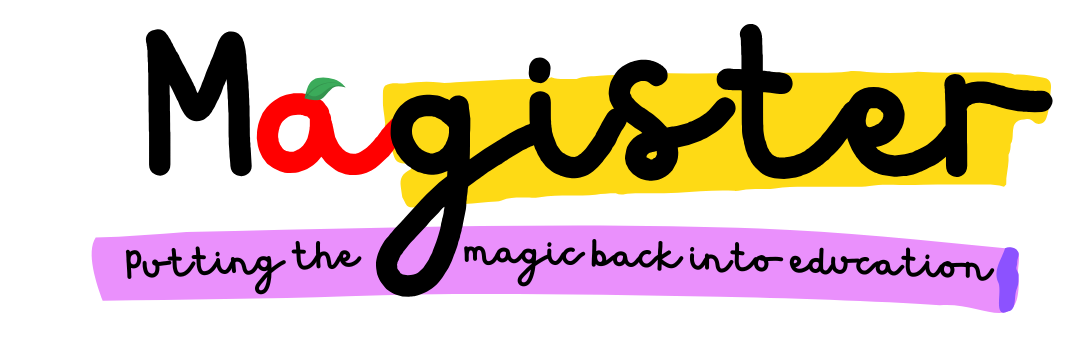
Information Station
The marketplace is an excellent concept where everyone researches a topic and ‘sells’ it to the next group. However, in our experience, learners only remember the topics they have researched and taught themselves. Bearing this in mind, and acknowledging the premise that one remembers 90% of what they teach, we thought it would be beneficial to make a slight adjustment.
Similar to the traditional marketplace, only one small group takes a specific topic. They research it, produce factual information, create quizzes, and include interesting events from the time, as well as who was in power politically and anything else that could have been influential. Another group then visits the information station, where they are ‘taught’ by the original group. Following this, they take over the information station and teach the next group. This ensures that the topic is taught, and hopefully learned, by all.
Saved by the Bell
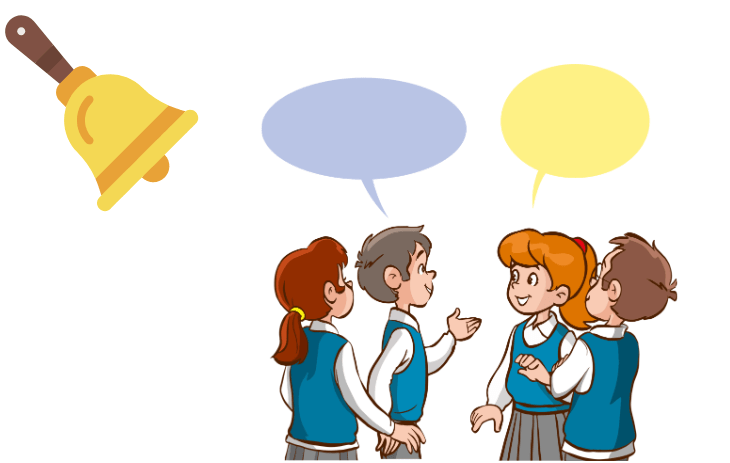
In this engaging teaching activity, the teacher introduces a specific topic and then rings a bell to signal the learners to pair up. For 30 seconds, partners discuss what they know about the given topic. Following the initial discussion, the teacher rings the bell again, prompting the learners to switch partners. After a total of ten rings, learners regroup into small clusters to consolidate their knowledge. They then record their findings on flipchart paper or an online whiteboard, fostering collaboration and enhancing understanding of the topic.
Reverse Bingo

Reverse Bingo is an engaging classroom activity designed to enhance learners’ critical thinking and ability to make connections. Instead of calling out the name of an item, the teacher describes a characteristic or attribute of that item. For instance, if the item is ‘apple’, one might say, “This fruit is often red or green, grows on trees, and is commonly found in pies.” Students must listen carefully, using their knowledge to deduce the correct item and cover it on their bingo card, making it a fun and educational experience.
Presentation Jamboree

In the Presentation Jamboree, students will either work alone or in small groups to create one slide for a group presentation. Each person will focus on a different part of the topic, which means we’ll get a cool mix of ideas and information. Once everyone’s slides are ready, we’ll combine them together to make a whole presentation. This fun activity helps everyone sharpen their presentation skills while getting everyone involved and sharing their thoughts. Let’s get creative!
Who am I!
In this fun activity, learners will get to use their thinking and deduction skills in a game of “Who am I”. The teacher will describe a person, character, or historical figure without revealing their name, creating a little mystery. For example, the description might include their appearance, famous achievements, or something quirky about them. Students will then guess who it is based on the clues given. This game helps build teamwork and also boosts listening and understanding skills among the learners.
Speculate and eliminate

In this fun classroom game, two players secretly choose a character they’ve been studying, whether it’s a historical figure, a famous scientist, or a notable theorist. The goal is to guess each other’s character by asking yes or no questions. With each answer, you can eliminate options and get closer to the right guess. The rest of the group acts as different characters, holding signs with their names. Once a character is guessed, they place their sign down, making it clear they’ve been eliminated. This lively activity helps reinforce what everyone has learned while encouraging teamwork and laughter!
Silence is Golden
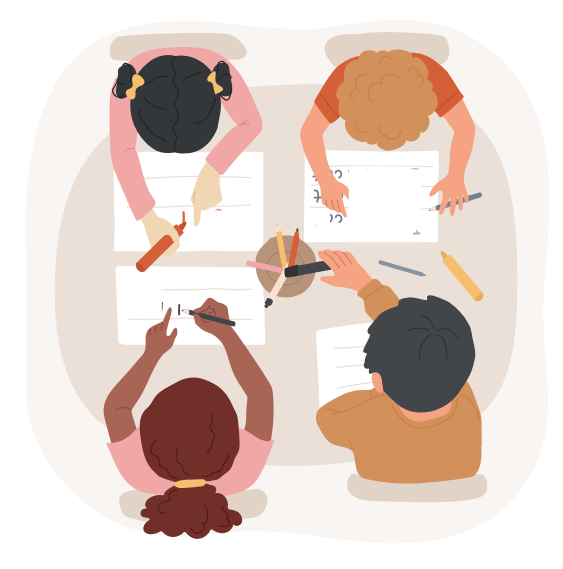
In this engaging activity, students are invited to explore the theme “Silence is Golden” through a collaborative writing exercise. Large sheets of paper, each featuring different topics related to the theme, will be placed on tables around the room. Learners are encouraged to move quietly between tables, adding their thoughts and insights. However, this activity necessitates silence—students are not permitted to speak. They may cross out or elaborate on the ideas of their peers, fostering a dynamic exchange of perspectives, and pose questions to prompt further reflection. This approach encourages independent thinking and respect for others’ ideas in a calm, focused environment.
Jigsaw Activity
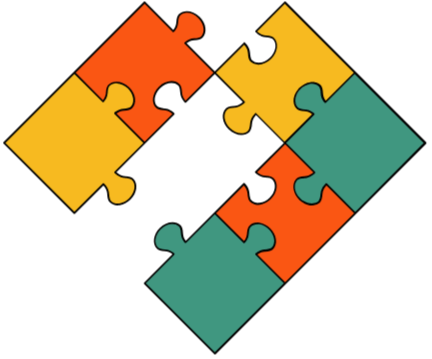
The Jigsaw Activity is an engaging collaborative learning method that fosters teamwork and critical thinking. First, cut out a blank template of a jigsaw puzzle, ensuring each learner receives one piece. Assign a broad topic to the group, with each student tasked to research a specific element of that topic. They will summarise their findings on their jigsaw piece. Once completed, learners assemble the jigsaw, connecting their individual contributions to form a comprehensive picture of the topic. This process encourages discussion, questioning, and analytical thinking, allowing students to explore various perspectives and deepen their understanding collectively.
Mark me!

All too often, learners believe that they or their peers have produced an outstanding piece of work; however, what they do not always comprehend is why it is considered outstanding—or, conversely, why it may fall short. Encouraging them to analyse a piece of work can significantly enhance their own understanding.
In this activity, learners will look at a great piece of work. Each learner will receive a copy of this work, a task sheet with instructions, and a list of command verbs to assist them. The task is to discuss and explain why this piece is good. Learners should use specific examples from the work to support their answers. This group activity will help learners understand what makes writing effective.
Brain Buster Battle
Objective:
Students will review a topic by answering 10 multiple-choice questions. For each question, they will create 5 possible answers, with one being the correct answer.
Instructions:
- Choose a Topic: Decide on the subject or topic the students need to revise.
- Write 10 Questions: Create 10 revision questions based on the topic.
- Answer Choices: For each question, students will write 5 possible answers, ensuring one answer is correct and four are distractors.
- Answer Key: Have students identify the correct answer in each set of choices.
- Review: Once all questions are answered, go through the questions as a class and discuss the correct answers and why the distractors are incorrect.
Human Recorder
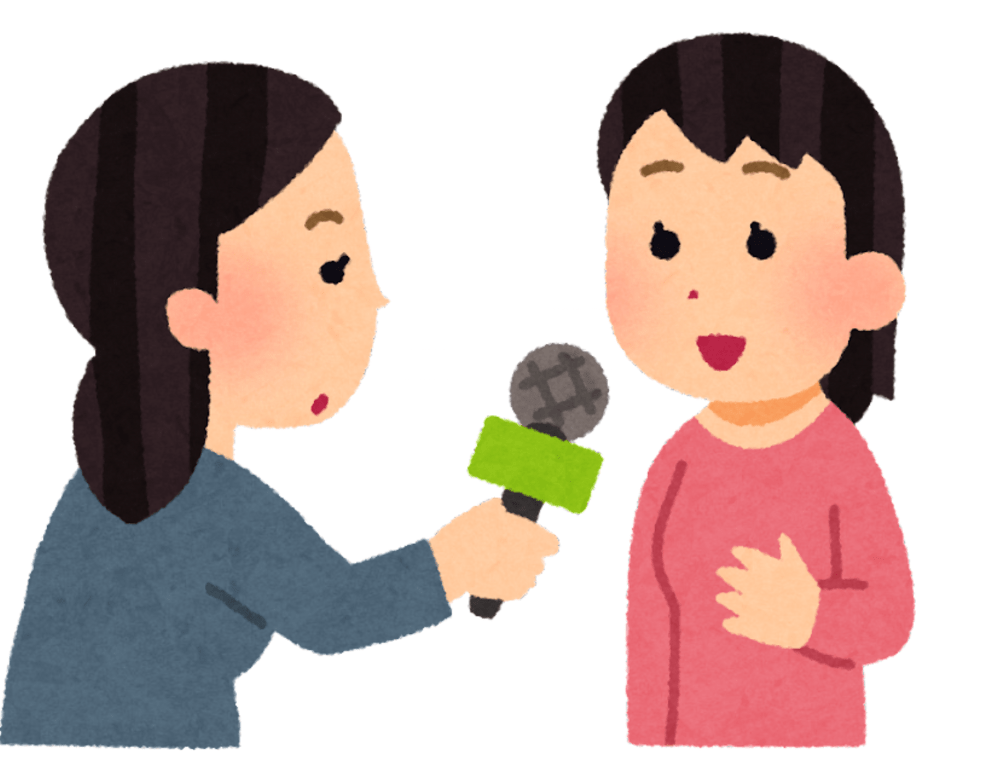
To consolidate understanding of a recent topic, students should pair up to interview each other, drawing on their insights. Following this, they will ‘playback’ the key points learned from their discussions in small groups, fostering collaborative learning and reinforcing content retention through shared knowledge.
Follow Me Activity: Close the Loop Learning
In this engaging activity, each student receives a card containing a question and the answer to another question. The first participant will pose their question aloud. The student holding the corresponding answer must then stand up and provide it. This continues until the last card is reached, which will indicate “the end”. Ensure everyone is attentive, as this promotes active learning and reinforces understanding. Encourage students to engage with each other throughout the activity for a collaborative learning experience.
 Magister