Lesson starter activities to keep them motivated.
Pass the Chat

Write a sentence on today’s topic and pass it to one learner, who whispers it to another until it reaches the end. This serves as a good discussion point on the topic and illustrates how, at times, something can change.
The Three Ts! (Think, Talk, Tell)
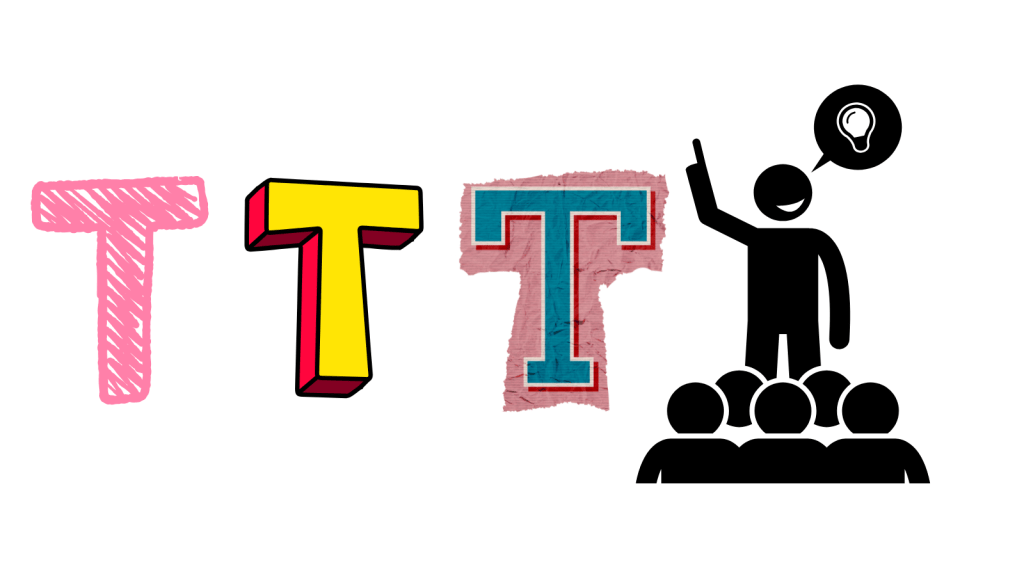
The teacher begins the lesson by posing an engaging question related to the topic. Before expecting any responses, the teacher allows learners a few moments to think independently, encouraging them to gather their own ideas and reflections. After this silent thinking time, learners are paired up to share and discuss their thoughts with a partner. This collaborative exchange helps deepen their understanding and prepares them to contribute more confidently during the whole-class discussion that follows. This starter activity promotes critical thinking, active listening, and peer learning from the very beginning of the lesson.
Code Breakers

In this fun starter activity, we will hide the learning objective. Assign each letter of the alphabet a number in a random order, such as A=3, B=7, C=1, and so on. Create a series of maths questions that lead to specific answers. For example, if the question is “What is 8 + 5?” and the answer is 13, students will then find the letter that corresponds to the number 13 from your chart. This way, they must solve the maths to find out the learning objective. This activity helps students think critically and work together while practising their maths skills.
Speed Rounds

This dynamic activity is designed to enhance quick thinking, introduce key concepts, and encourage peer interaction among students.
To begin, arrange the students in two concentric circles, with the inner circle facing outward and the outer circle facing inward, so each student is paired with someone from the opposite circle. Distribute prepared question cards related to the topic you would like to discuss (e.g., “What are Piaget’s stages of cognitive development?”, “Define positive reinforcement in child behaviour management”) to each student in the inner circle. Set a timer for 2 minutes. During this time, the student with the question card explains the concept to their partner. When the timer goes off, the inner circle rotates one seat to the right, and each student receives a new question card. Repeat the process, ensuring each student has the opportunity to explain and listen to various concepts. Allow the students to give out rewards for the correct answer. Top Tip – if you have an odd number of students, assign them the role of adjudicator for the answers.
This activity not only invigorates the class but also fosters a collaborative learning environment. By engaging in peer teaching, students actively participate in the learning process, enhancing their understanding of key concepts. This approach promotes effective communication and teamwork skills, essential for professional practice in educational settings.
The Reverse Question

Display a key phrase, concept or ‘answer’ on the board. Provide students with individual whiteboards and pens and ask students to pose 2-3 possible questions that would lead to the answer displayed. This exercise stimulates critical thinking, encourages creativity, and deepen understanding around key concepts.
Power of the Press!
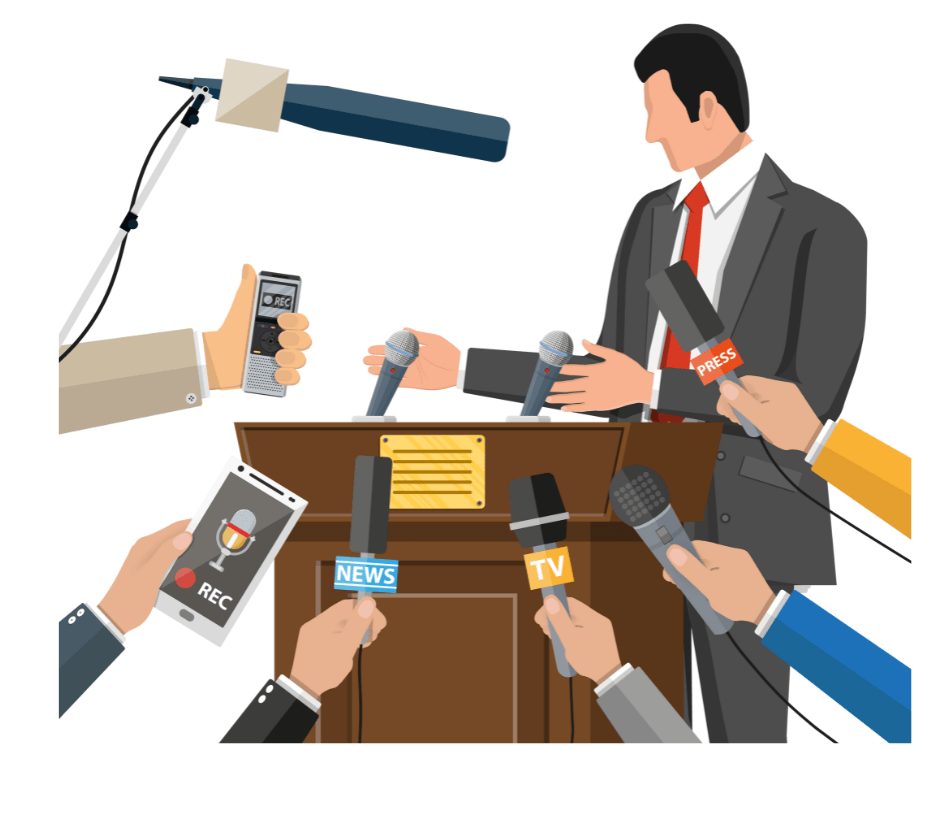
Begin the session by organising a mock press conference to announce a key theme of the lesson. Students will take notes during your announcement and engage in a question-and-answer session thereafter. This activity promotes critical thinking, enhances listening skills, and encourages active participation, preparing students for real-world communication scenarios.
Quick Quiz
Add some interactive fun at the beginning of a lesson by setting up a quick 5-question quiz or poll related to the topic using an online tool like Kahoot, Mentimeter, or Poll Everywhere. Students will use their phones or devices to answer multiple-choice, true/false, or ranking questions in real time, keeping the energy high and engagement strong. After the quiz, review the answers together, highlighting key points and clarifying common misconceptions. You may even want to reward the winners! This interactive activity gets students thinking immediately and is a good discussion point to focus on during the lesson, making the content more relevant and engaging.
Two- minute debate

Begin by giving students a simple statement related to the lesson topic—for example, “National assessments are beneficial for children.” Then, split the class into two groups, assigning each group a role of ‘for’ or ‘against’ the statement. Give students five minutes to discuss in their groups and then two minutes to present their arguments, encouraging quick thinking and respectful discussions. This activity warms up students critical thinking skills and also helps to practice listening and articulating different viewpoints.
This activity can then be repeated as a plenary to help assess students learning from the lesson and becomes a good discussion point for any changes in their views around the topic.
They said what!

A simple yet effective lesson starter is to share a famous quote from a theorist, document or source. After presenting the quote, invite students to interpret its meaning and discuss their thoughts. This encourages reflection, deeper thinking, and helps students make connections between theory and practice.
The one minute challenge

Give a student or a pair a key concept to review and explain to the class in one minute. It may be a good idea to ask students to work in pairs as it can help build confidence and improve understanding as they prepare together. This activity encourages clear communication, quick thinking, and peer learning.
Sit in the Hot Seat

Place a designated chair at the front of the class for the student to sit in the ‘hot seat’ where they will answers rapid-fire questions about the lesson topic for one minute. The questions can be prepared in advance or asked spontaneously by their peers or teacher. This activity challenges the student to think quickly, recalling information accurately, and assesses their knowledge. Incorrect answers can then be addressed through discussion and you may even want to add in some challenge questions that will become a talking point for the lesson ahead.
This activity is an excellent way to boost confidence, improve verbal communication skills, and reinforce understanding in a fun, supportive environment. To keep everyone involved, rotate the hot seat among different students throughout the lesson or week.
 Magister