Ideas to end your teaching sessions
Exit Ticket

An exit ticket is an effective tool to evaluate students’ understanding at the end of a lesson. Provide students with a template—many are available online—and ask them to record the most important thing they’ve learned, along with their reasoning. They must submit this as they leave; if it doesn’t meet standards, they are required to redo it.
High 5!

At the end of each lesson, students take a few minutes to write down five things they have learned and then share these with a partner or small group, with some students volunteering to share with the whole class. At the end of the week, students review their notes and work together to identify five key learning points from the week, which they then present to the class. Finally, at the end of a topic, students reflect on the entire unit and write down five important things they have learned. These are collected on a “Learning Wall”, which the class reviews to highlight the main takeaways and discuss how their understanding has developed. This routine encourages regular reflection, reinforces learning, promotes collaboration, and helps both students and teachers monitor progress.
Deliberate error

At the end of the session, organise the students into pairs. Each student should write a summary of the lesson, intentionally including one deliberate mistake. Once completed, the summaries are exchanged with another pair, who will identify and correct the error. The teacher should review each summary to ensure understanding and accuracy.

Don’t break the chain!
(Test their chronological knowledge)
This activity is very useful for encouraging students to apply their knowledge creatively and imaginatively, as well as helping them to complete whole sentences.
Begin by explaining to students that you will initiate a story based on a topic they have studied. Each student will contribute by verbally adding the next sentence, allowing the story to unfold as it circulates around the room. This interactive exercise not only fosters collaborative storytelling but also allows you to identify any misconceptions and provide timely clarification. Engaging in this manner reinforces students’ understanding while developing their chronological awareness.
Read all about it!

In this activity, students are encouraged to research current information on a previously discussed topic. They should identify recent developments or findings, contrasting these with their prior knowledge. This exercise will test their analytical skills and deepen their understanding of the subject. Students should come to the session prepared to present their findings in a short summary, fostering discussions.
All change!

In this plenary activity, students will transition into the role of the teacher. Each student will prepare a set of questions based on the lesson’s content. After presenting their questions, the class will engage in a lively discussion to answer them, fostering a deeper understanding of the material and encouraging collaboration. This activity not only reinforces knowledge but also builds confidence and communication skills among students.
Go with the flow!
For this activity, students will create a graphic summary of the lesson by designing a flowchart. This visual representation will help consolidate their understanding of key concepts and the progression of ideas discussed during the lesson. It encourages critical thinking and reinforces learning through summarisation.
Prioritise
This plenary activity encourages students to summarise the key concepts from the lesson by prioritising them in order of importance. This approach not only reinforces their understanding but also assists in embedding knowledge more effectively. By reflecting on the main ideas, students can clarify their thoughts and enhance retention.
Sharing is caring!
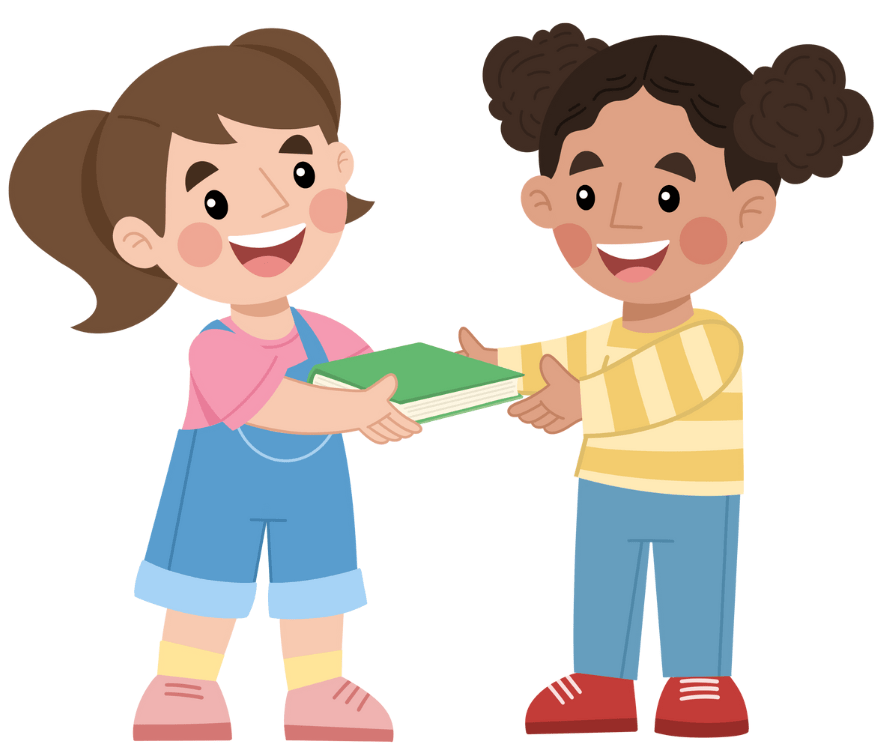
An advocate from each group will travel to other groups to share their findings. This collaborative exchange fosters a deeper understanding of diverse perspectives. Upon completion, they will return to their own group to report back, culminating in a comprehensive discussion that consolidates their collective learning.
Tricks of the trade!

At the end of a lesson, students should reflect on what they have learnt and determine what they need to study next. This is then assigned to them as homework. For obvious reasons, it is preferable not to inform them about the homework until they have shared what they feel they need to learn.
 Magister