Ten percent

In this assessment activity, students will engage in a reflective summarisation exercise aimed at consolidating their learning. At the end of the session, each student will randomly select a number between 50 and 100. For instance, if a student chooses the number 68, they will summarise what they have learnt in 68 words. However, to provide some flexibility, they are permitted a leeway of 10% either way, which equates to a minimum of 61 words and a maximum of 75 words.
To determine the minimum and maximum word count based on the chosen number, students are encouraged to round the numbers accordingly. This exercise not only reinforces their understanding of the content covered but also develops their ability to articulate their thoughts succinctly. This activity serves to enhance critical thinking and allows students to demonstrate their grasp of the subject matter while adhering to specific word limits.
Correct me!

In this assessment activity, learners will evaluate an anonymous piece of work that contains intentional mistakes. They will use specified success criteria to identify errors and provide constructive feedback. This exercise encourages critical thinking and helps students develop their ability to assess quality in peer submissions effectively.
Group traffic lights

Traditional colour-coded assessment methods, such as holding up red (do not understand) orange (need something clarifying) , or green (understand it fully) tokens, can be ineffective for some students. Many individuals may hesitate to display a red token in front of their peers due to feelings of vulnerability regarding their understanding. To foster a more comfortable environment, it is beneficial to organise students into small groups. Within these groups, they can discuss their grasp of the topic and, subsequently, collectively hold up a card to indicate their understanding. This approach encourages collaboration and allows students to feel more at ease when expressing their comprehension levels.
Annotate!

Before submitting their work, students should annotate their assignments. They can identify areas where they experienced difficulty, reflect on what they believe they executed well, and highlight aspects they found intriguing. This practice encourages self-reflection and provides valuable insights into their learning process, fostering a deeper understanding of their strengths and challenges.
Match the grade to the work
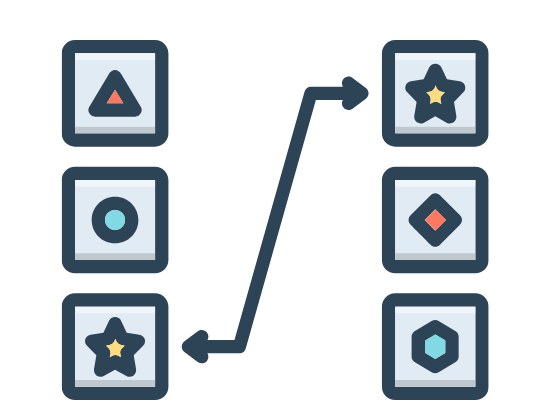
To enhance students’ understanding of assessment criteria, provide them with five pieces of their work. On separate small cards, label the grades A, B, C, D, and A* or any other grading system that you use. Students must match each piece to the corresponding grade and subsequently explain their reasoning behind these choices.
Who are you!

In this engaging activity, provide students with a set of keyword cards related to the topic at hand. Instruct them to sort these cards into three distinct piles: 1) “We have met before,” for terms they are familiar with; 2) “I think I’ve know you, but not sure what you do,” for those they have encountered but do not fully understand; and 3) “Never heard of you,” for unfamiliar terminology. This exercise encourages critical thinking and promotes connections between new and existing knowledge.
Around the room!

Gather your students into groups and provide a large piece of paper for each. They jot down their response to a specific question before passing it on to the next group, who adds to it. After all contributions, lead a lively class discussion to explore the responses. It’s a brilliant way to engage everyone!
Go and stand in the corner!

For this engaging assessment activity, present students with a controversial statement or thought-provoking question. In each corner of the classroom, place a distinctive opinion on a large sheet of paper. Students can then share their views by standing in front of their chosen corner, sharing their reasoning with peers. It’s all about lively discussion!
Million Pound Drop
Good old Socrates

So, imagine integrating Socratic questioning into your assessment activity! It’s all about engaging students in deeper thought. For instance, you might ask, “What do you think the author meant by that?” or “Can you provide an example to support your opinion?” This approach encourages critical thinking and allows students to reflect on their understanding. By fostering dialogue and curiosity, the assessment becomes more than just a test—it’s a collaborative exploration of ideas. How refreshing is that?
 Magister